

Breast Cancer Awareness Month 2026: Beyond the Pink Ribbon
Awareness matters. But so do the quieter conversations that come after diagnosis, surgery and treatment: support, body changes, personal choices, and the long process of returning to everyday life.

Breast Cancer Awareness Month 2026 takes place throughout October. Often known as Pink October, it is a global period for raising awareness of breast cancer. But meaningful awareness is about more than wearing pink: it includes understanding breast changes, taking appropriate screening or early action, supporting people affected by breast cancer, and recognising the very different realities of life during and after treatment.
A pink ribbon can begin a conversation. It should not be where the conversation ends.
For someone who has never encountered breast cancer closely, October may be a reminder to learn more about breast health or arrange a screening conversation. For someone undergoing treatment, the month may bring solidarity—but it can also mean seeing reminders of cancer everywhere. For someone years beyond surgery, Pink October may reopen experiences that do not fit neatly into a cheerful awareness campaign.
That is why VEIMIA Pinkbook approaches Breast Cancer Awareness Month 2026 from a broader perspective: awareness, appropriate action, practical support and the realities of life after breast cancer.
Some women speak openly about their experience. Others prefer privacy. Some identify strongly with words such as “survivor”; others do not. Some want reconstruction after mastectomy. Some prefer an external breast form. Some choose to go flat.
There is room for all of those experiences.
What Is Breast Cancer Awareness Month?
Breast Cancer Awareness Month is observed every October as a period for increasing public understanding of breast cancer, encouraging appropriate early detection and diagnosis, improving access to care, and supporting people whose lives have been affected by the disease.
You may also hear it called Pink October, referring to the pink ribbon that has become one of the world's most recognisable breast cancer awareness symbols.
Yet there is no single way people are expected to experience the month.
For one person, October may be the month she finally learns what breast changes deserve attention. For another, it may be a difficult anniversary. Someone else may use it to raise funds, attend a support event, book a mammogram or simply check in with a friend who finished treatment months ago.
Public campaigns can be useful because they bring a health issue into everyday conversation. But breast cancer itself does not begin on 1 October or disappear on 31 October.
The more useful question, then, is not only “What does the pink ribbon represent?”
It is also: What can greater awareness help us understand, notice or do?
Why Awareness Goes Beyond the Pink Ribbon
A ribbon is visible. Much of living with breast cancer is not.
Waiting for test results. Deciding whether to tell colleagues. Managing fatigue. Adjusting to scars. Finding comfortable clothing after surgery. Navigating intimacy. Caring for children while recovering. Returning to work. Feeling anxious before follow-up scans.
These experiences rarely fit into one symbol.
For Pinkbook, a more complete way to think about Breast Cancer Awareness Month is through four connected areas.
Awareness
Understand what is normal for your own breasts, learn which changes deserve attention, and look for reliable information rather than fear-based messages.
Screening
Follow screening advice appropriate to your age and risk profile, and seek medical assessment when a new or unusual change appears.
Support
Emotional support, practical help, rehabilitation, financial guidance and peer connection can all be meaningful parts of cancer care.
Life After Treatment
Recovery may continue through follow-up care, body changes, relationships, work, clothing, confidence and decisions about how someone wants to live in her body.
These four areas overlap.
Awareness without a pathway to action is incomplete. Screening without access to support overlooks the person behind the appointment. Treatment without recognising what happens afterwards leaves out an enormous part of the experience.

Breast Awareness and Early Action
Breast awareness does not mean examining yourself anxiously every day.
It means becoming familiar enough with your own breasts that you are more likely to notice a change from what is usual for you.
A breast lump is one of the changes people most often associate with breast cancer, but it is not the only change that may deserve attention.
Possible changes can include:
- a new lump, thickening or swelling;
- a persistent change in breast size or shape;
- skin dimpling, puckering, thickening or unusual redness;
- a nipple that has newly changed position or become inverted;
- unusual or blood-stained nipple discharge;
- a persistent nipple or skin change; or
- a new lump or swelling around the underarm.
Many breast changes are not cancer. The purpose of awareness is not to diagnose yourself.
It is to recognise that a new or persistent change deserves appropriate medical evaluation rather than being ignored or interpreted alone.
Where does screening fit in?
Screening is designed to look for breast cancer before symptoms are present.
The appropriate screening schedule can vary according to age, family history, personal medical history, genetic risk and local health guidance. Someone with symptoms or a higher-than-average risk may need a different pathway from routine population screening.
If you live in Singapore or Malaysia, use guidance from local healthcare providers and national or recognised cancer organisations when deciding what is appropriate for you.
For more breast-health education, visit the Pinkbook Breast Care Hub.
What Happens After Treatment?
Finishing a major phase of treatment can be a significant milestone.
But “treatment finished” does not always mean “everything is back to normal.”
Follow-up appointments may continue. Energy may return gradually. Some physical effects improve with time while others remain. Depending on a person's treatment, recovery may include fatigue, altered sensation, changes in shoulder mobility, concerns about lymphoedema, hormonal symptoms, scars, sleep disruption or questions about intimacy and body image.
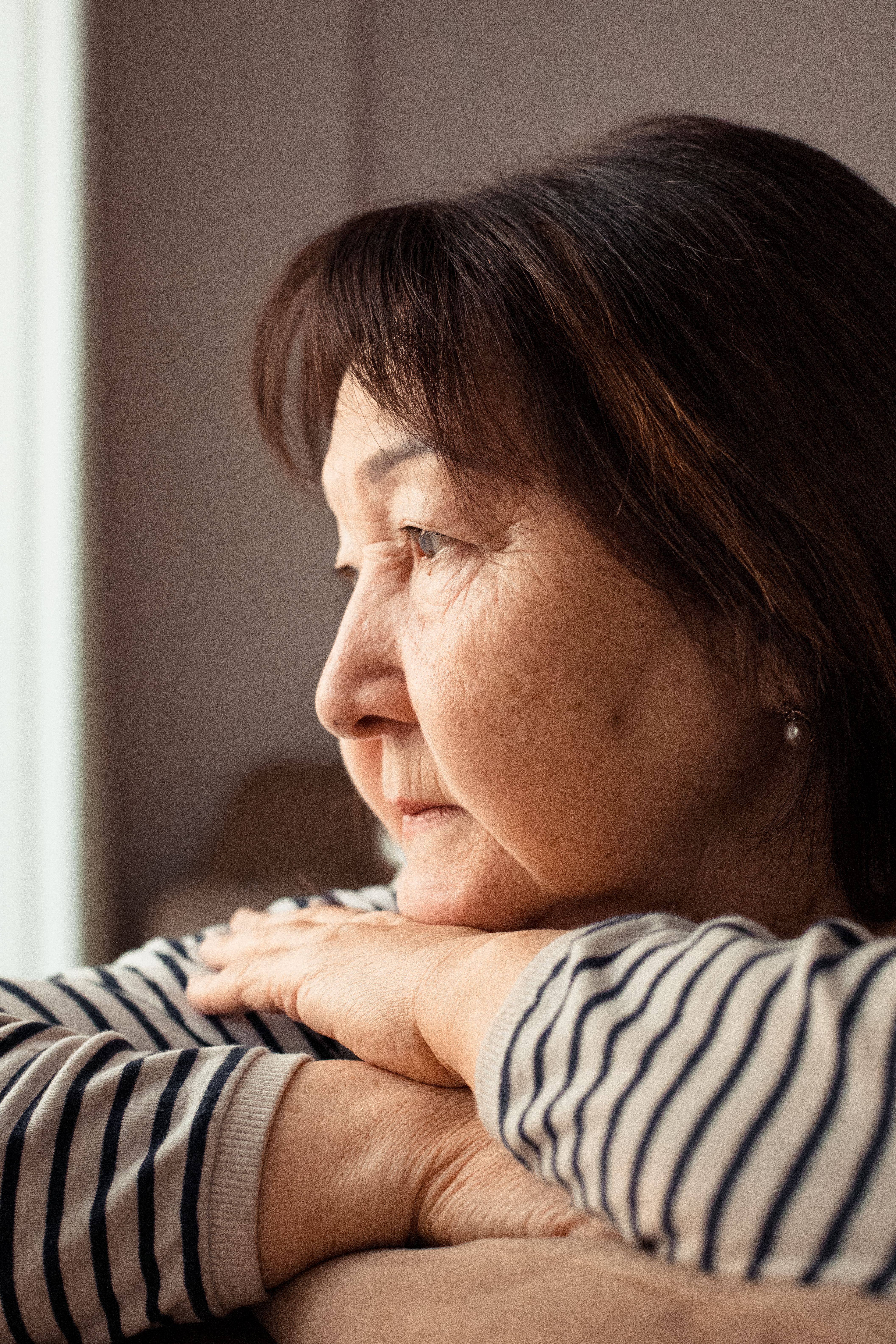
There may also be a quieter emotional shift.
During active treatment, life often revolves around appointments and decisions. Family and friends may check in frequently. When active treatment becomes less intensive, that external structure can suddenly become much quieter—even though the person herself may still be adjusting.

This is why follow-up care can matter beyond medical monitoring alone.
It can also be a place to discuss persistent symptoms, rehabilitation, medication effects, emotional wellbeing, sexual health, work and daily routines.
Some people feel relief when active treatment ends. Others feel unexpectedly vulnerable. Many experience both.
It is equally important to remember that “after treatment” does not describe everyone's experience. Some people remain on long-term therapy. Others move between different forms of treatment or live with metastatic breast cancer.
They belong in the awareness conversation too.
If you are navigating the physical and emotional changes following breast surgery, continue with Life After Mastectomy.
Life After Breast Cancer Is Different for Everyone
There is no one “right” recovery journey after breast cancer.
Recovery can involve the body, emotions, relationships, work, clothing, identity and medical follow-up—and those needs may change over time.
Recovery is sometimes described as a straight line back to “normal.”
Real life is rarely that neat.
Someone may return to work and still struggle with fatigue. She may feel comfortable with her scars but anxious before a scan. She may want to talk openly about breast cancer one week and prefer complete privacy the next.
Another person may find that breast cancer changes very little about how she sees herself.
None of these experiences needs to be compared with someone else's.
Even the language surrounding breast cancer is personal. Words such as “survivor,” “fighter” or “warrior” can feel powerful for some people and uncomfortable for others.
Following the language someone chooses for herself is often more thoughtful than deciding how she should describe her experience.
How to Support Someone Affected by Breast Cancer
Meaningful breast cancer support often begins with a simple principle: ask rather than assume.
A diagnosis does not suddenly make everyone want the same advice, emotional response or type of practical help.
Support works better when it responds to the person rather than to our assumptions about what cancer is supposed to look like.

- Listen before offering solutions. Not every difficult feeling needs to be fixed.
- Offer specific help. “I can bring dinner on Wednesday” can be easier to answer than “Let me know if you need anything.”
- Follow their lead. Some people want to talk about cancer. Others want an afternoon in which nobody mentions it.
- Do not demand positivity. Fear, frustration, relief, anger and hope can exist at the same time.
- Respect privacy. Someone's diagnosis and medical information belong to them.
- Remember the months after treatment. Support often arrives immediately after diagnosis and then fades. A message months later can still matter.
- Remember caregivers. Partners, friends and family members may also experience exhaustion and uncertainty.
For more practical guidance, read How to Support Someone After Breast Cancer Surgery .
Reconstruction, Breast Forms or Going Flat: Personal Choice Matters
After a mastectomy, there is no single appearance a person has to work towards.
Depending on medical circumstances and personal preference, someone may choose breast reconstruction, use an external breast form or prosthesis, go flat, or move between these choices at different stages of life.
Breast Reconstruction
Reconstruction uses surgery to recreate breast shape. Depending on treatment needs and individual circumstances, reconstruction may be performed at the time of mastectomy or at a later stage. Different procedures have different recovery considerations, so the decision should be discussed with the relevant surgical team.
External Breast Form or Breast Prosthesis
A breast form is worn externally, often inside a pocketed bra or suitable garment, to create breast shape under clothing without reconstructive surgery. Some people wear one every day. Some use one only with certain clothes or activities. Others decide it is not for them.
Going Flat
Going flat generally means choosing not to have breast reconstruction and not routinely wearing an external breast form. Some people also discuss aesthetic flat closure with their surgeon so the chest wall is shaped as smoothly as possible following mastectomy.
These options are not steps on a ladder.
Reconstruction is not a “more complete” recovery. Wearing a prosthesis does not mean someone is uncomfortable with her body. Going flat does not mean someone is rejecting femininity.
A woman may wear a breast form to work and go without it at home. She may choose a prosthesis for several years and later consider reconstruction. She may choose flat closure and never want either.
Preferences can also change as healing progresses.
Medical factors matter. So do comfort, identity, lifestyle, access, clothing preferences and how someone wants to move through everyday life.
If you are exploring the non-surgical option, read Do I Need a Breast Prosthesis? and our educational Breast Prosthesis Guide.
Find Support in Singapore & Malaysia
Support can mean many different things: someone to talk to, screening information, practical guidance, rehabilitation, peer connection or help understanding what comes next.
The organisations below provide breast cancer or cancer-related information and support. Services and eligibility can change, so confirm current details directly with each organisation.
Breast Cancer Foundation Singapore
Offers breast cancer support programmes, peer connection, a befriending programme and services for people affected by breast cancer and caregivers.
Explore SupportSingapore Cancer Society
Provides cancer information, care navigation, psychosocial support, rehabilitation, screening information and support programmes.
Visit Singapore Cancer SocietyBreast Cancer Welfare Association Malaysia
BCWA Malaysia provides breast-health education, psychosocial support, peer connection and survivorship programmes.
Visit BCWA MalaysiaNational Breast Cancer Directory
A resource from the National Cancer Society Malaysia bringing together information on breast cancer screening, diagnosis, treatment and support services.
Open the DirectoryBreast Cancer Foundation Malaysia
Provides breast cancer awareness initiatives and information about patient support and related resources.
Visit BCF MalaysiaWhat Can Pink October Mean in Everyday Life?
Breast Cancer Awareness Month does not require everyone to make a public statement.
It might mean learning which breast changes deserve attention.
It might mean checking whether you are due for an appropriate screening conversation.
It might mean sending a message to someone whose treatment ended six months ago.
It might mean listening when a person says she does not want to be called “brave.”
It might mean respecting someone's decision to reconstruct, wear a breast form, go flat—or make no decision yet.
And perhaps most importantly, it means remembering in November what we talked about in October.
Breast cancer awareness is not ultimately about how much pink we can see.
It is about how well we notice, listen, support and make space for the lives behind it.
From the VEIMIA Pinkbook Breast Care Series
→ Life After Mastectomy → Do I Need a Breast Prosthesis? → How to Support Someone After Breast Cancer Surgery → Breast Prosthesis Guide → Pinkbook Breast Care HubBreast Cancer Awareness Month 2026: Frequently Asked Questions
What is Breast Cancer Awareness Month?
Breast Cancer Awareness Month is observed every October and focuses on breast cancer education, appropriate early detection and screening, support for people affected by breast cancer, and greater understanding of life during and after treatment.
When is Breast Cancer Awareness Month 2026?
Breast Cancer Awareness Month 2026 is observed throughout October 2026. Awareness, screening and support activities may vary between countries and organisations.
What does Pink October really mean?
Pink October is another name for Breast Cancer Awareness Month. While the pink ribbon is its most recognisable symbol, meaningful awareness can also include breast-health education, appropriate screening, practical support and recognition of life after treatment.
How can I support someone affected by breast cancer?
Ask what would genuinely help, listen without immediately trying to solve the situation, offer specific practical assistance, respect privacy and personal language, and remember to keep checking in after active treatment.
What can life after breast cancer treatment be like?
Experiences vary. Some people adjust quickly while others continue dealing with fatigue, physical changes, follow-up appointments, treatment effects, body-image concerns, work changes or anxiety. Recovery does not follow one universal timeline.
Do I have to choose breast reconstruction after a mastectomy?
No. Depending on medical circumstances and personal preference, options may include reconstruction, wearing an external breast form or prosthesis, or going flat. Some people also change their preferences over time.
Where can I find breast cancer support in Singapore or Malaysia?
Singapore resources include Breast Cancer Foundation Singapore and Singapore Cancer Society. In Malaysia, resources include Breast Cancer Welfare Association Malaysia, the National Breast Cancer Directory and Breast Cancer Foundation Malaysia.
Medical note: This article provides general educational information and is not a substitute for diagnosis, personalised screening advice or medical care. Screening, follow-up and post-surgical decisions depend on individual symptoms, age, risk, medical history and treatment circumstances. Speak with an appropriate healthcare professional about your own care.
```