

2026 Raya Fashion & Innerwear Matching Guide
In Malaysia and Singapore, choosing a raya outfit is usually the fun part. The tricky part is what goes underneath. A beautiful baju raya can still feel too warm, too tight, too sheer, or just uncomfortable if the innerwear is wrong. That is why this guide focuses on the real-life question most women ask before Raya visits, open houses, family photos, and balik kampung trips: what should you wear under a baju kurung, kebaya, abaya, or modern festive outfit?
This is written for the way women actually dress in Malaysia and Singapore: humid weather, long visiting days, lots of sitting, driving, eating, and sometimes changing from one house to another. So instead of giving generic styling advice, this article breaks things down with a practical decision tree: scene × clothing × innerwear. The goal is simple — look neat, feel breathable, and avoid obvious bra lines, digging straps, overheating, or awkward support.
Why innerwear matters more during Raya
Raya dressing in Southeast Asia is very different from festive dressing in cooler countries. In KL, JB, Penang, Melaka, and Singapore, the weather can stay warm and humid well into the evening. You may spend hours in a car, then move from one home to another, then sit on the floor, stand for photos, or help serve food. If your bra traps heat, shifts under the fabric, or leaves visible lines, you will feel it all day.
That is why the best Raya innerwear usually does three things well:
- keeps the silhouette smooth under modest clothing,
- stays breathable in humid weather,
- gives stable support without feeling too heavy.
Different outfits need different solutions. A fitted kebaya and a loose abaya do not behave the same way. A pastel baju kurung with a thinner fabric needs different support from a modern structured Raya set. The fabric, cut, and activity level all matter.
Decision tree: scene × clothing × innerwear
| Scene | Outfit Type | Common Problem | Best Innerwear Direction |
|---|---|---|---|
| Open house hopping | Baju kurung | Heat + visible bra edges | Seamless or smoothing support |
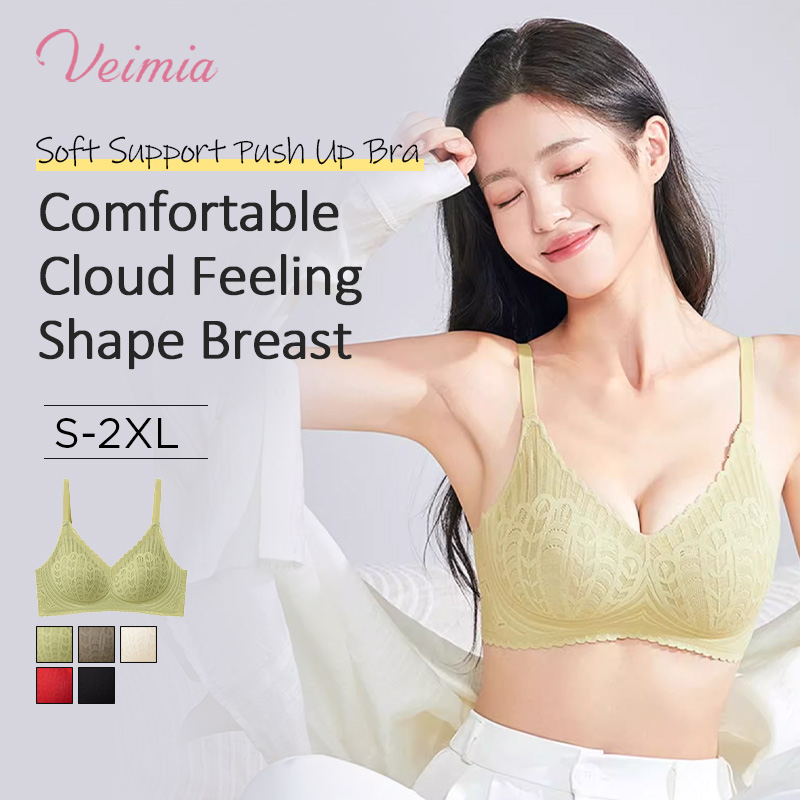
| Family lunch + photos | Kebaya | More fitted bust line | Refined shaping + neat lift |
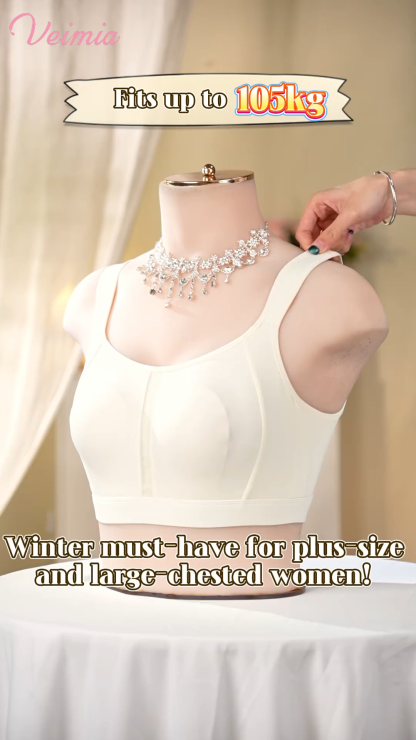
| Prayer / calmer family visits | Abaya | Need coverage, less bulk | Wireless, breathable, soft support |
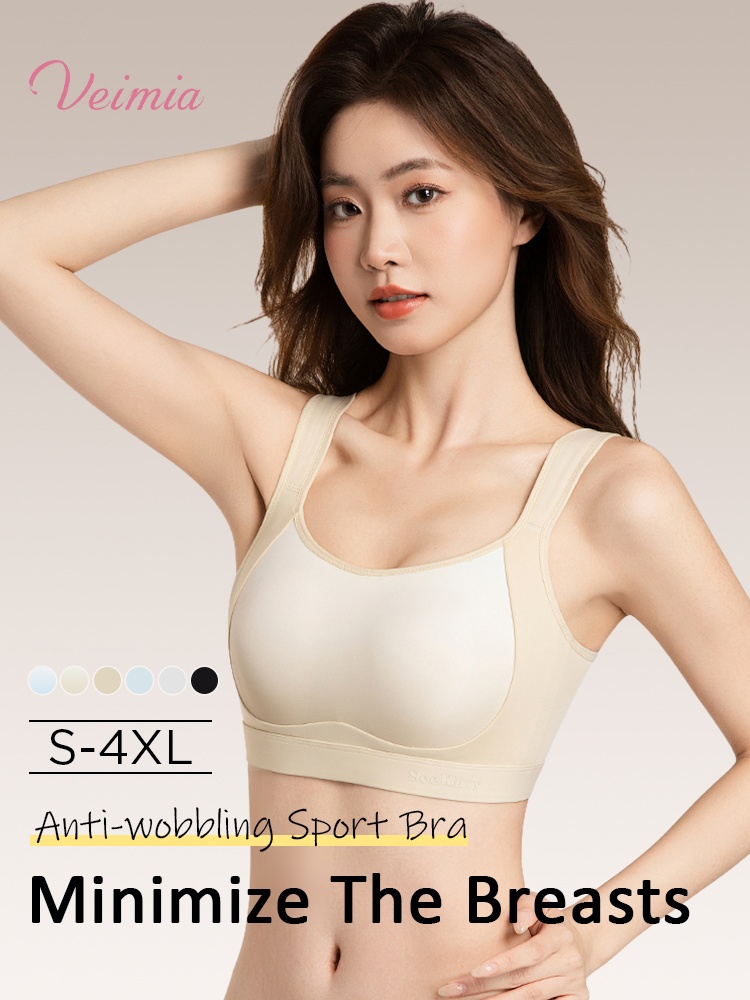
| Modern festive dinner | Modern Raya outfit | Thin fabric, shaping needed | Invisible fit, minimizer or sleek lace support |
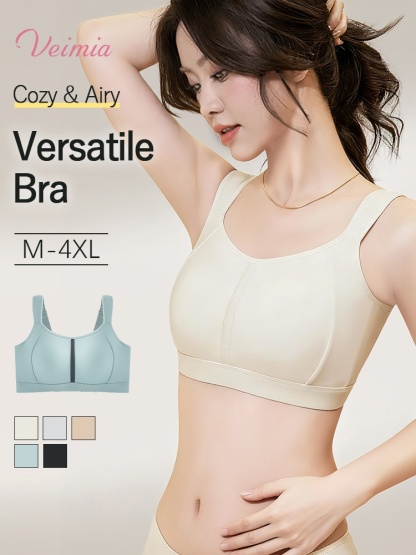
| Balik kampung / travel day | Any modest look | Long hours, sitting, sweat | Camisole or sporty breathable support |
Outfit type 1: Baju kurung
A baju kurung usually looks modest and easy to wear, but fabric choice makes a big difference. Some modern sets are softer, thinner, or slightly clingier than older traditional styles. That means bra seams, cup outlines, or a band that sits too hard across the back can show more than expected.
For baju kurung, the safest direction is usually a seamless or smoothing fit. If the colour is light, nude-based tones usually disappear better under the fabric. If the top is slightly structured, a minimizer shape can help keep the front line neat without looking “compressed”.
Outfit type 2: Kebaya
A kebaya is usually more defined through the waist and bust, which means the innerwear choice becomes more visible in the overall shape. If the support is too flat, the outfit can lose structure. If it is too bulky, it can distort the line of the kebaya.
This is where a refined, lightweight shaping bra works best. Look for support that creates a smooth lift and sits neatly under finer fabrics. Soft lace can work as long as the construction stays discreet and not overly textured.
Outfit type 3: Abaya
An abaya is usually looser, but that does not mean “anything works underneath.” In hot weather, thicker bras can trap warmth and start to feel uncomfortable by late afternoon. A softer base layer often works better, especially if you are moving between indoor air-conditioning and outdoor heat.
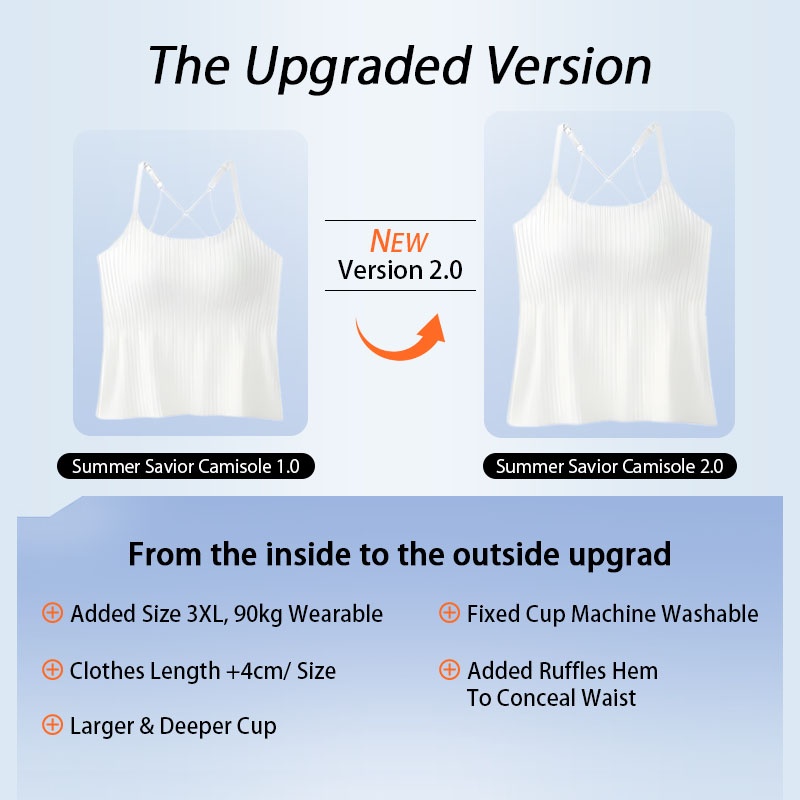
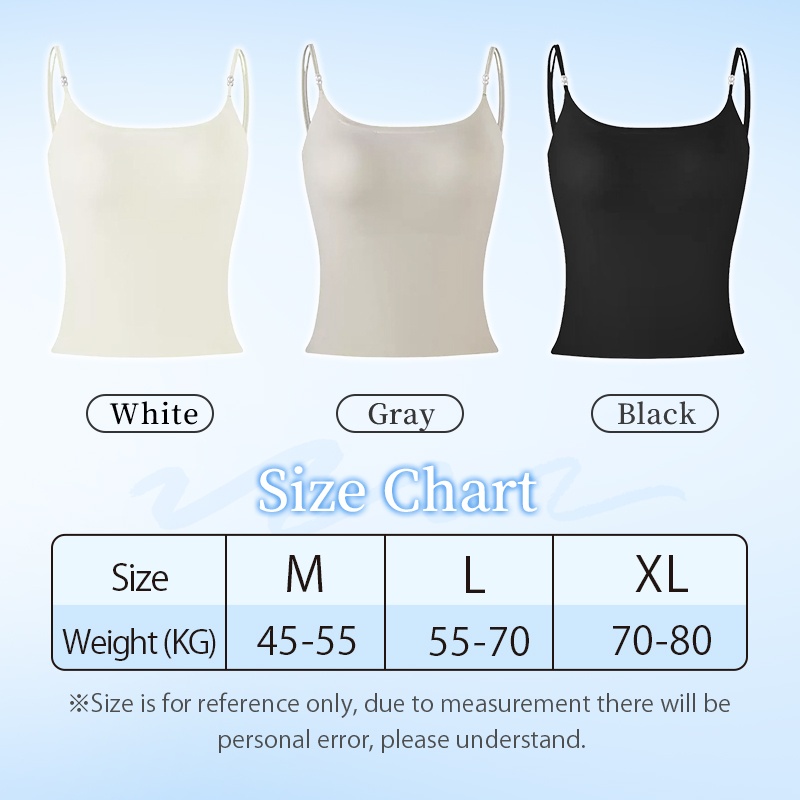
For abayas, many women prefer cami-based support or built-in support tops because they create a smoother upper body line and feel easier through long sitting, standing, and travel.
Outfit type 4: Modern Raya outfit
Modern Raya looks can mean many things: co-ord sets, cleaner tailoring, peplum cuts, or softer contemporary modest dressing. These styles often use smoother, thinner, or slightly stretch fabrics, so the main issue is usually visibility — cup edges, side bulges, or marks through the fabric.
The answer is usually either a sleek minimizer or a cooling seamless support layer. If your event runs from lunch until night, comfort becomes as important as shape.
Fabric and climate guide: what actually works in MY/SG heat
If you only remember one thing from this guide, let it be this: in a tropical Raya season, fabric behaviour matters more than trend names. Even a beautiful outfit can become tiring if the base layer traps heat.
- Thin or lighter fabrics: prioritize smooth cups, low show-through, and cleaner seam placement.
- More fitted fabrics: minimizer or sculpting support can make the outfit sit more neatly.
- Loose modest fabrics: choose comfort, airflow, and less under-layer bulk.
- Long travel / balik kampung days: wireless or built-in support tops are often easier to wear for hours.
In short: do not choose your innerwear only by “pretty” or “supportive.” For Raya, think about the whole day — weather, fabric, movement, photos, and how long you’ll actually be wearing it.
Simple matching rules to save time
- If your outfit is light-coloured, start with invisible or nude-based support.
- If your top is fitted through the bust, choose cleaner shaping over heavy padding.
- If the day includes travel plus open houses, comfort should rank above “dramatic” lift.
- If you’re wearing a loose abaya, a camisole base can feel easier than a stiffer bra.
- If you’ll be photographed a lot, test the outfit in daylight first — not only indoor light.
The best Raya match is the one that lets you forget about it once you leave the house. That is really the goal: a festive look that stays elegant without constant adjusting.