

How Should a Mastectomy Bra Fit? A 5-Point Comfort Check for Band, Cups, Straps & Sides
A mastectomy bra should feel secure and supportive, but it should not feel painfully tight. The band should stay level around your body, the cups or prosthesis pockets should contain everything comfortably, and the straps should stay in place without digging into your shoulders.
Around the sides and underarm area, the fabric should lie smoothly rather than cutting into sensitive tissue. If you wear a breast prosthesis, it should sit steadily inside the cup or pocket without obvious shifting.
The goal is not maximum compression. The goal is a bra that stays in place, supports what you want it to support and remains comfortable as you move through your day.
Comfort comes before “tighter is better”
A mastectomy bra does not need to squeeze your body in order to provide useful support. In fact, while an area is recovering from surgery, overly restrictive pressure may simply feel uncomfortable.
What you are looking for is a close, steady fit: the bra stays where it belongs, but you are not spending the day thinking about the band, straps or edges pressing into you.
Your ideal fit may also change as swelling settles or your body changes after treatment, so a size that works at one stage may not remain your best fit indefinitely.
The 5-Point Comfort Fit Check
Use these five areas together. A bra can feel comfortable in one place and still fit poorly somewhere else.
1. How should the band fit?
The underband does much of the work of holding a bra in place. It should sit close to your body and remain roughly level around your torso rather than climbing upward at the back.
But close-fitting does not mean painfully tight. If you feel pressure building under the band, see deep marks that remain uncomfortable, or find yourself wanting to remove the bra as soon as possible, the fit deserves another look.
A useful rule: secure enough to stay in place, gentle enough that you can forget about it for much of the day.
2. How should the cups and prosthesis pockets fit?
A well-fitting cup should comfortably contain what sits inside it. You should not see breast tissue or a breast form being pushed over the edge of the cup, but there also should not be large areas of empty fabric collapsing or gaping.
If you use a removable breast prosthesis, check the pocket as well as the outer cup. The form should fit inside without being squeezed, folded or pushed into an unnatural position.
If the form repeatedly moves upward or sideways, the issue may be the bra size, cup shape, pocket size or prosthesis itself.
See how a pocketed mastectomy bra works if you are unsure where the breast form should sit.
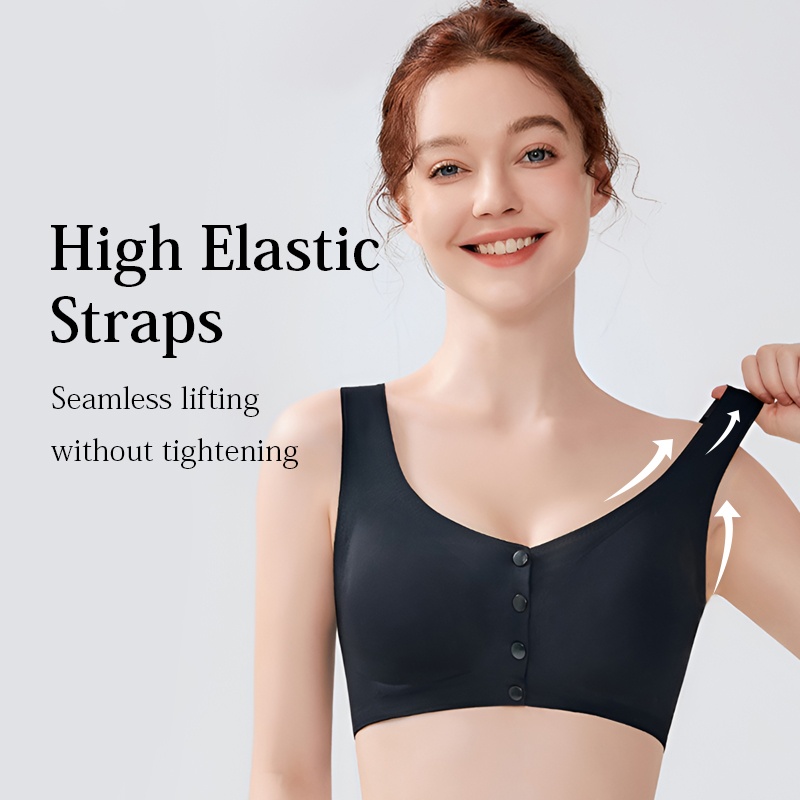
3. How tight should the straps be?
Shoulder straps help stabilise the cups, but they should not be doing all the work. If you have to pull the straps very tight to feel supported, the band or cup fit may need attention.
Comfortable straps stay on your shoulders without repeatedly sliding down, yet do not cut deeply into the skin.
4. What should you check around the sides and underarm?
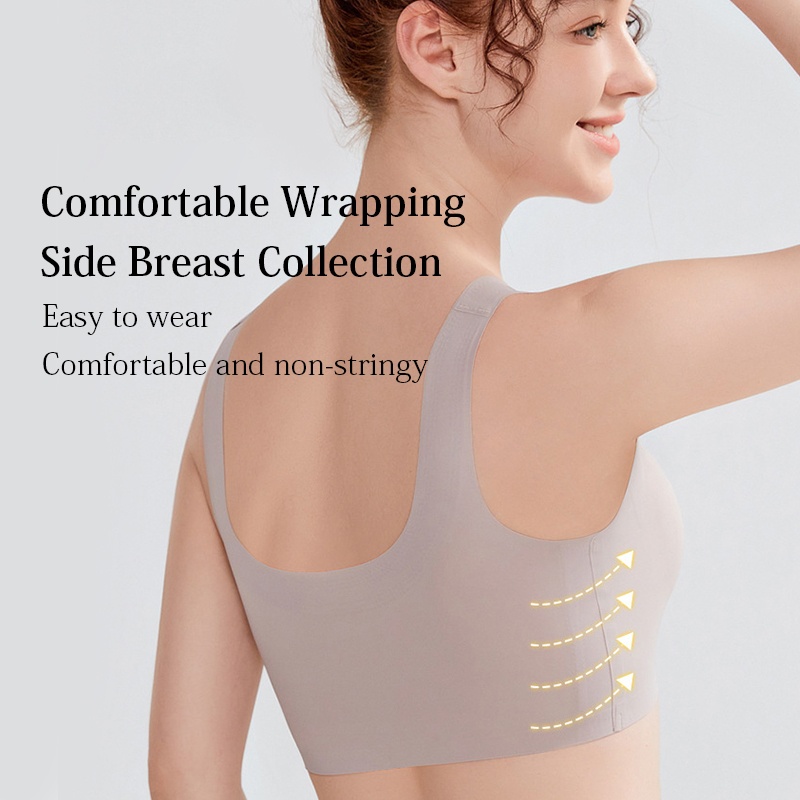
This area is easy to overlook. After breast surgery, the side of the chest and underarm can sometimes feel more sensitive, so check how the side panel sits rather than judging the bra only from the front.
Ideally, the fabric lies smoothly against the body and provides the coverage you want without cutting into the underarm. Seams, elastic edges and firm trims should not repeatedly rub an uncomfortable area.
Fuller side panels may feel useful to some people, but more fabric is not automatically better. The right amount of coverage is the amount that feels stable without restricting you.
5. Do a gentle movement test
A bra can look fine while you are standing still but behave differently once you start moving.
Within the range of movement that is already comfortable and permitted for you, walk around, sit down, turn your torso and reach normally. If your healthcare team has limited arm or shoulder movement after surgery, follow those restrictions instead of performing a fit test that exceeds them.
- The band stays in roughly the same position
- The straps remain on your shoulders
- The cups do not noticeably shift or gape
- Your breast prosthesis stays reasonably stable
- No edge suddenly begins rubbing or pressing into a sensitive area
If you use a breast form, our breast prosthesis guide can help you distinguish a bra-fit issue from a breast-form fit issue.
Signs your mastectomy bra fit may not be working
Fit problems often show up as small annoyances before they become obvious. Pay attention to repeated discomfort rather than assuming you simply need to “get used to” the bra.
- The band repeatedly rides up your back
- The band or side edge feels painfully tight
- The cups gape, wrinkle or overflow
- Your prosthesis shifts noticeably during normal activity
- The straps continually fall down or dig deeply into your shoulders
- The underarm edge rubs or presses a sensitive area
- You are constantly adjusting the bra throughout the day
Your size can change during recovery, so a fit problem does not necessarily mean you chose the wrong type of bra. You may simply need a different band, cup or overall size.
For more on sizing changes, see our mastectomy bra sizing and fitting guide .
If you want a soft, pocketed front-closure example
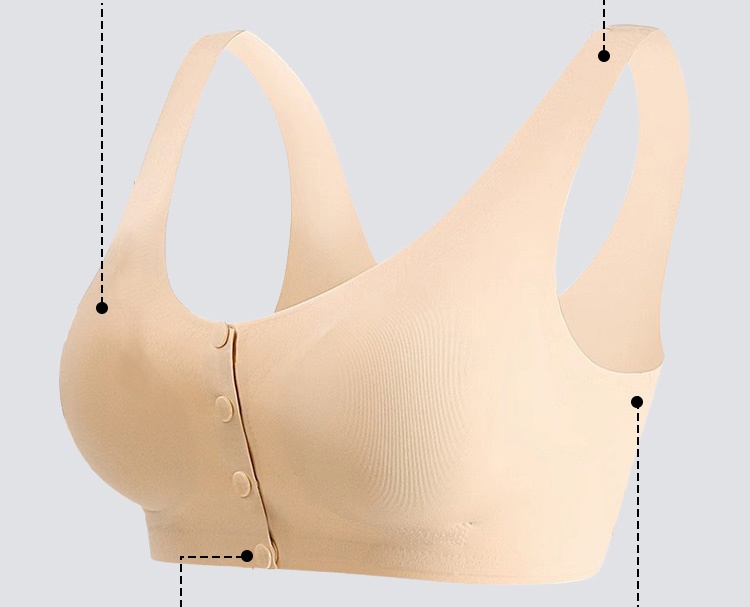
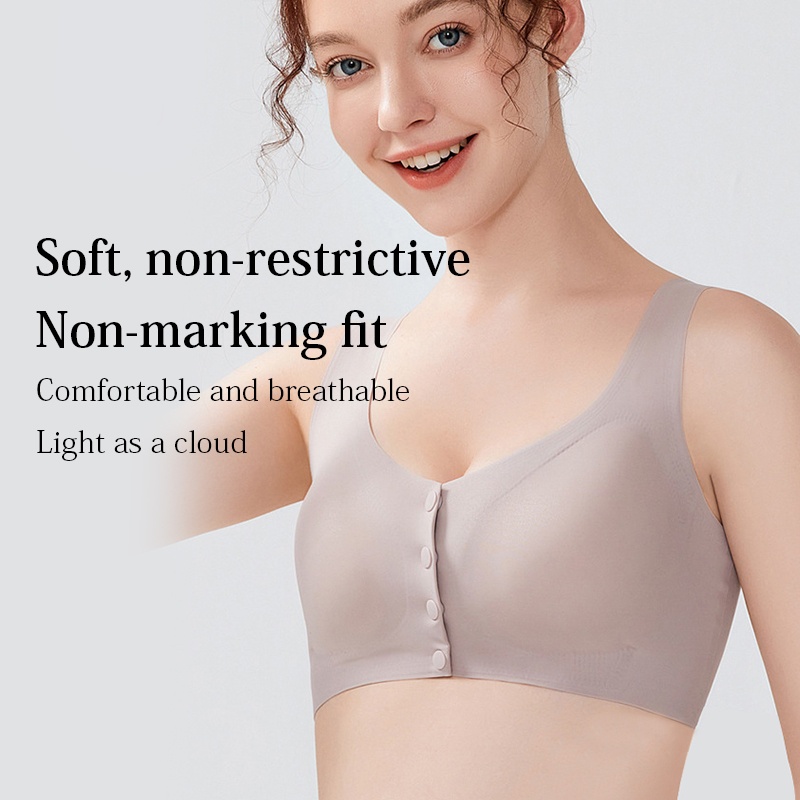
Product features cannot replace a good fit, but they can make fitting easier when they match what you actually need. If you prefer a wireless design, a broad underband, front fastening and prosthesis pockets, this VEIMIA style is one example to compare.
FAQ: How should a mastectomy bra fit?
Should a mastectomy bra feel tight?
It should feel secure, but not painfully restrictive. The band needs enough contact with the body to stay in place while remaining comfortable during normal wear.
How should the band of a mastectomy bra fit?
The band should sit close to the body and remain roughly level around the torso. If it rides up, the band may be too loose; if it creates painful pressure, it may be too tight or unsuitable for the area.
How should a breast prosthesis fit inside the bra?
It should sit comfortably and remain reasonably stable during normal movement. It should not be squeezed, folded or repeatedly shifting inside the cup or pocket.
Should mastectomy bra straps be tight?
No. They should stay securely on your shoulders without digging deeply into the skin. Very tight straps can also be a sign that the band or cup is not providing enough support.
Why does my mastectomy bra ride up?
A band that rides upward can indicate that it is too loose or that the overall fit needs adjusting. Rechecking both the band and cup size can help.
Should I size up after mastectomy surgery?
Not automatically. Swelling can temporarily change your measurements, particularly early in recovery. Your current fit matters more than your pre-surgery size, so remeasure or seek a fitting if the bra no longer sits comfortably.